FRP Coating & Lining
FRP Trading carries out fiberglass lining and coating work for tanks, containment areas and other industrial surfaces. The proposed system is selected after reviewing the substrate, contents, chemical exposure and operating conditions.
Send your drawings or site photographs, surface dimensions, stored chemicals and operating temperatures for an application review and quotation.
What is FRP Coating
FRP coating uses a resin and glass-reinforcement system to form a protective layer on a prepared surface. Suitability depends on the substrate, exposure, specified materials and application conditions.
- Service Conditions: Resin selection, surface preparation, curing and maintenance affect service life.
- Chemical Resistance: The selected resin system must be compatible with the chemicals, concentrations and temperatures involved.
- Application Review: We review the intended exposure and substrate condition before recommending a fabrication or application scope.
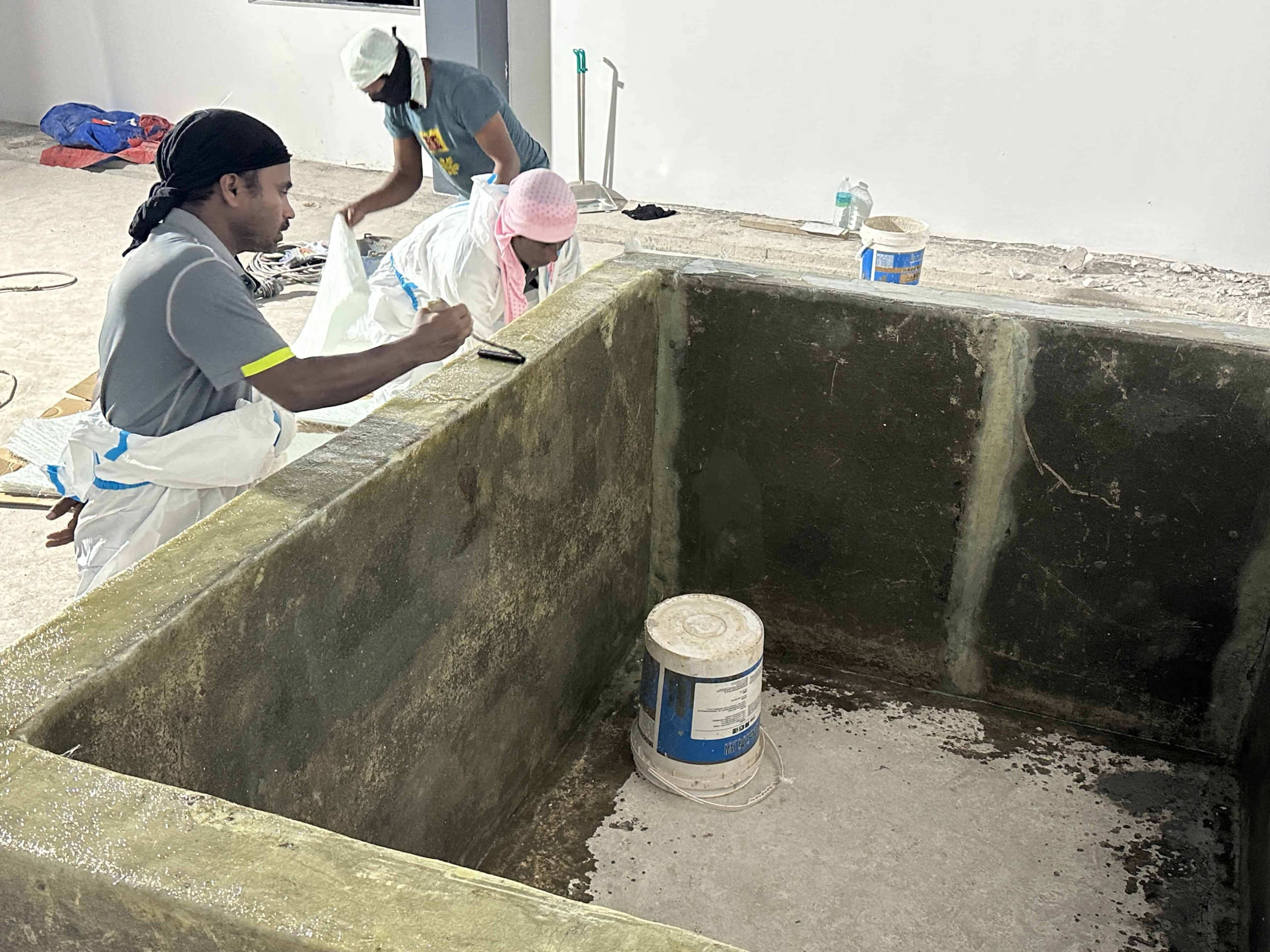
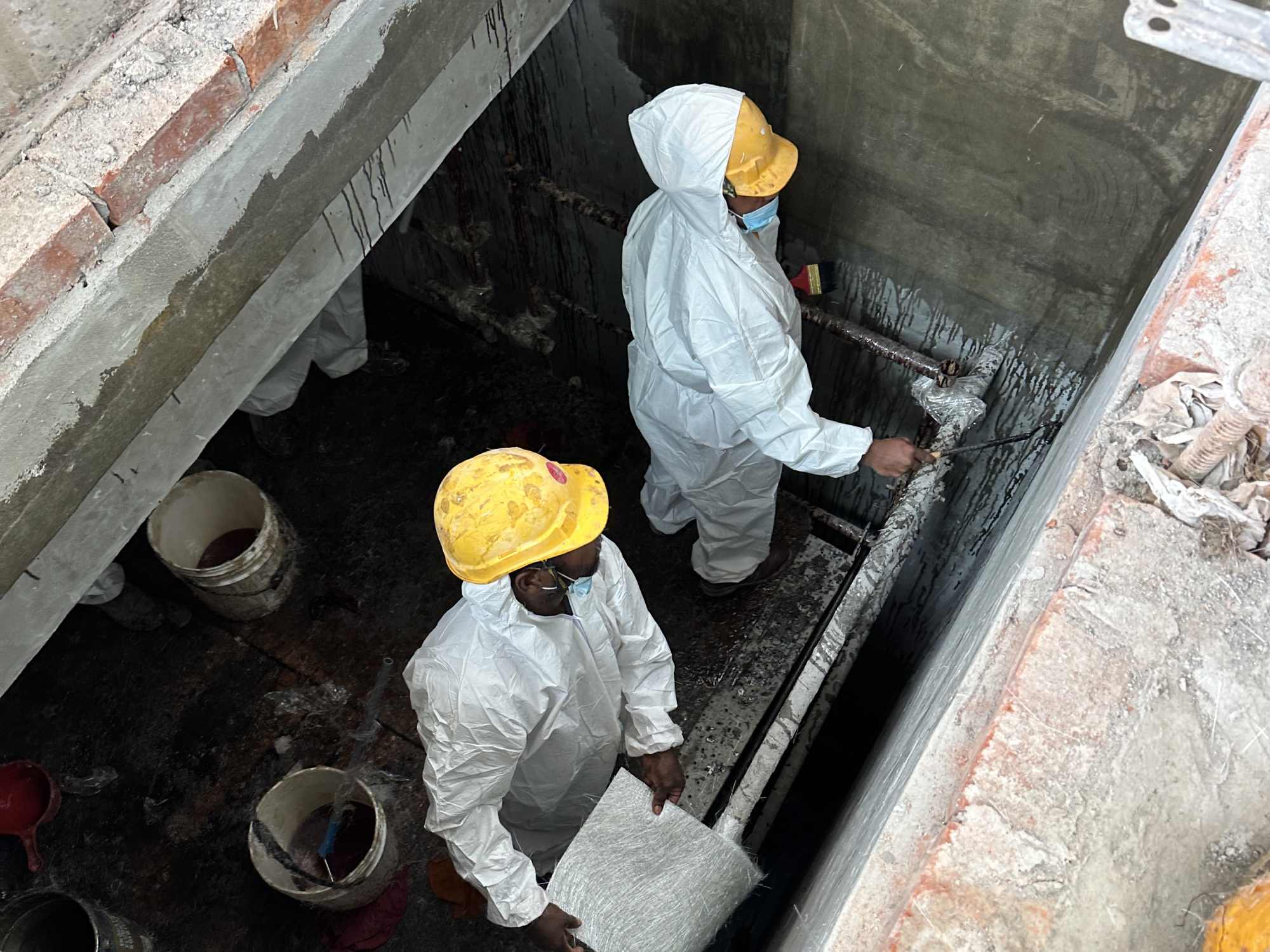
What is FRP Lining
FRP lining is commonly applied to prepared tank or containment surfaces to provide a corrosion-resistant barrier. It does not automatically restore the strength of a damaged tank or replace an assessment of the supporting structure.
- Barrier Construction: The lining build-up, joints and terminations are specified for the intended service.
- Substrate Condition: Existing corrosion, cracking or structural damage must be assessed and addressed before lining work.
- Operating Temperature: The resin and laminate must be suitable for normal operation and any expected temperature excursions.
- Customizable Design: Technicians customize the design to meet the specific chemical and thermal requirements of your facility.
Difference Between FRP Lining and Fiberglass Coating
The terms lining and coating describe different protective applications, but usage can overlap. The required resin, reinforcement, thickness and preparation depend on the project specification.
| Feature | FRP Lining | Fiberglass Coating |
|---|---|---|
| Placement | Commonly tank or containment interiors | Internal or external surfaces as specified |
| Primary Function | Provides a barrier against the specified contents | Protects against the specified exposure |
| Thickness Level | Laminate thickness defined by the specification | System and thickness defined by the specification |
| Common Applications | Chemical storage tanks, industrial silos, internal piping | Industrial roofing, exterior machinery shells |
Secure Your Assets with Our FRP Lining & Coating Services
Share the condition of the existing surface, intended contents, operating temperature and access constraints. We will review the proposed lining scope and identify the information needed before work begins.
Contact FRP Trading today for a customized quote on your project.
CUSTOM FABRICATION
Backed by over 20 years of experience, we deliver reliable fiberglass solutions with consistent quality and attention to detail.
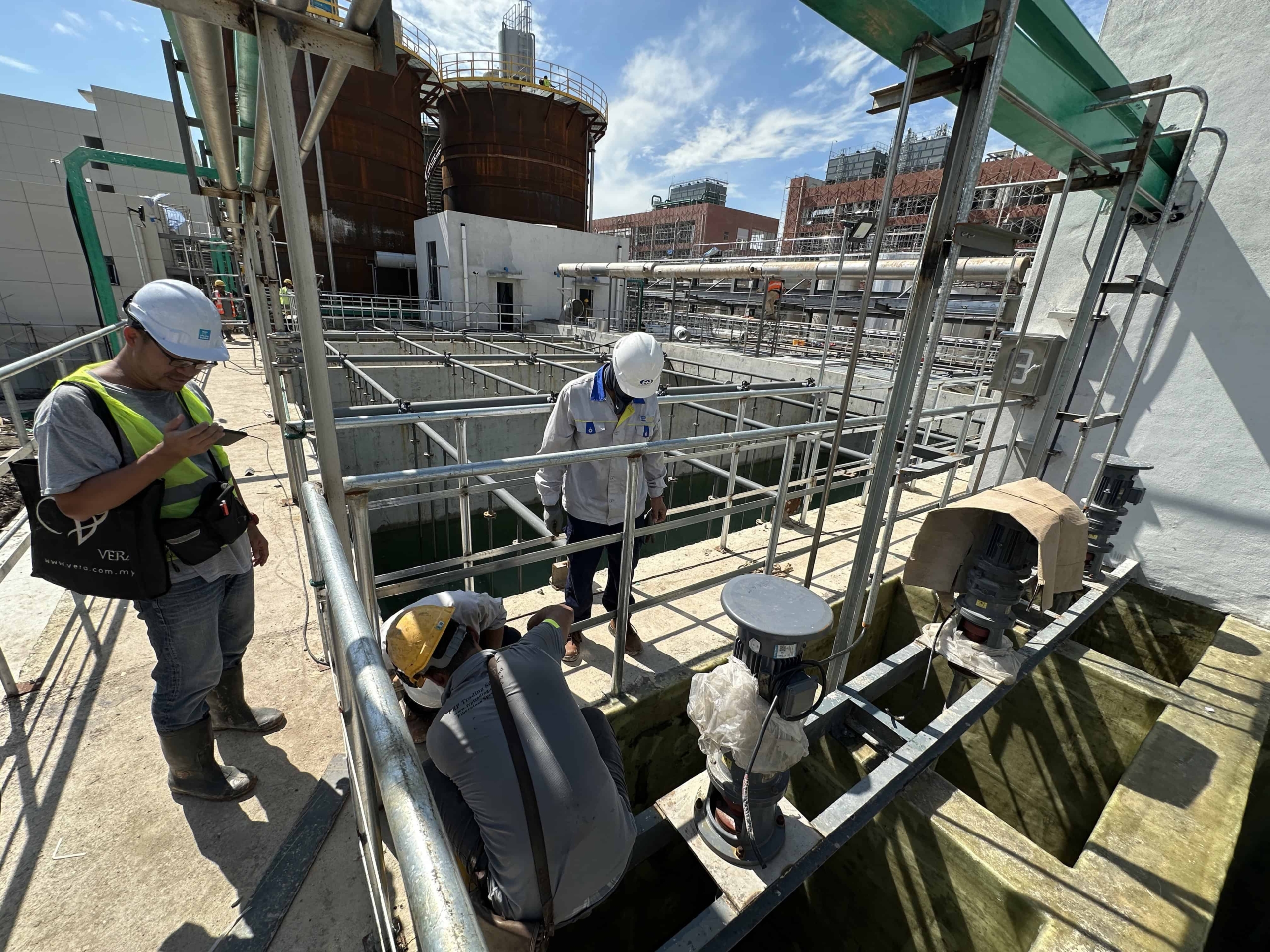
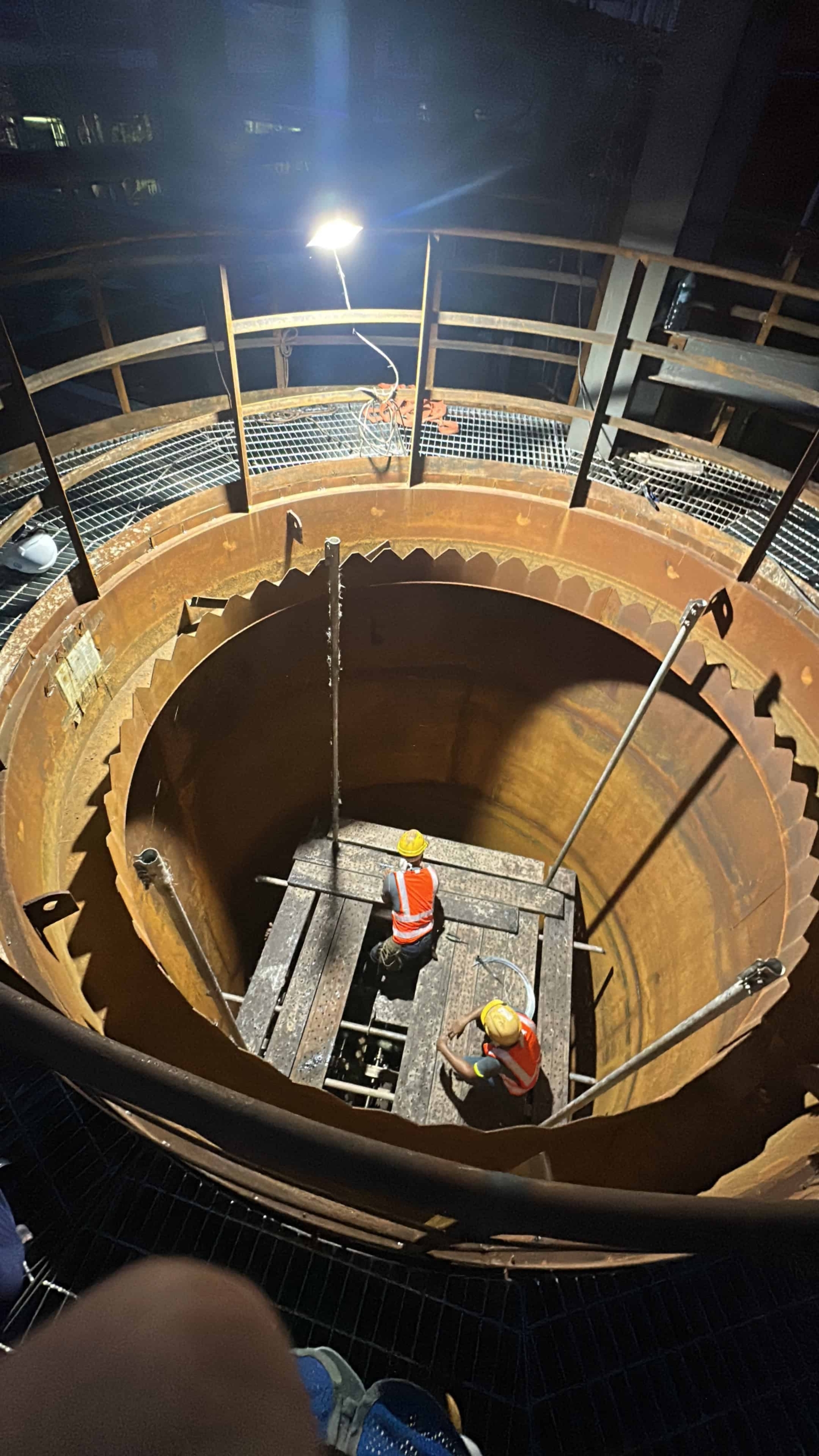
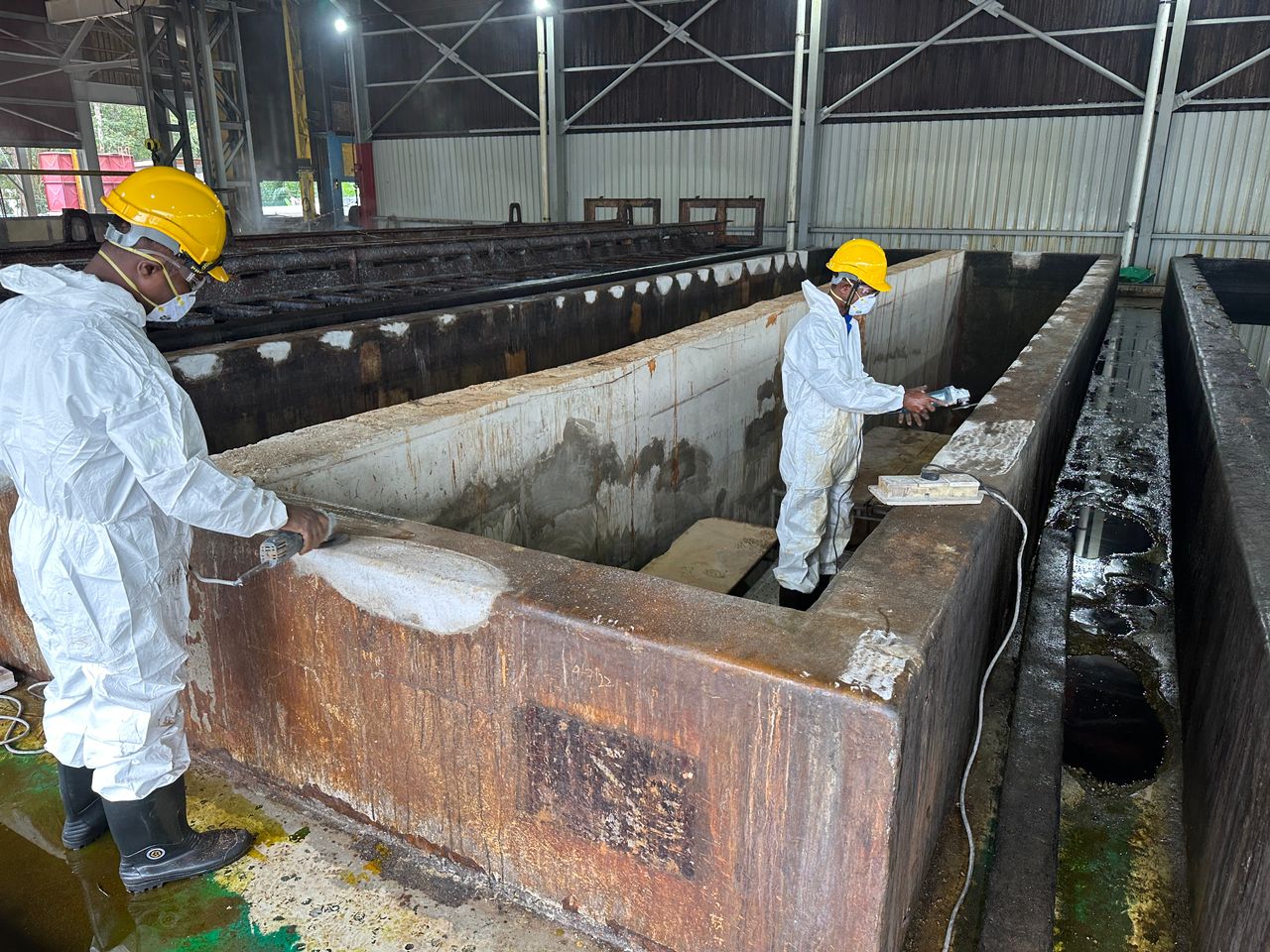
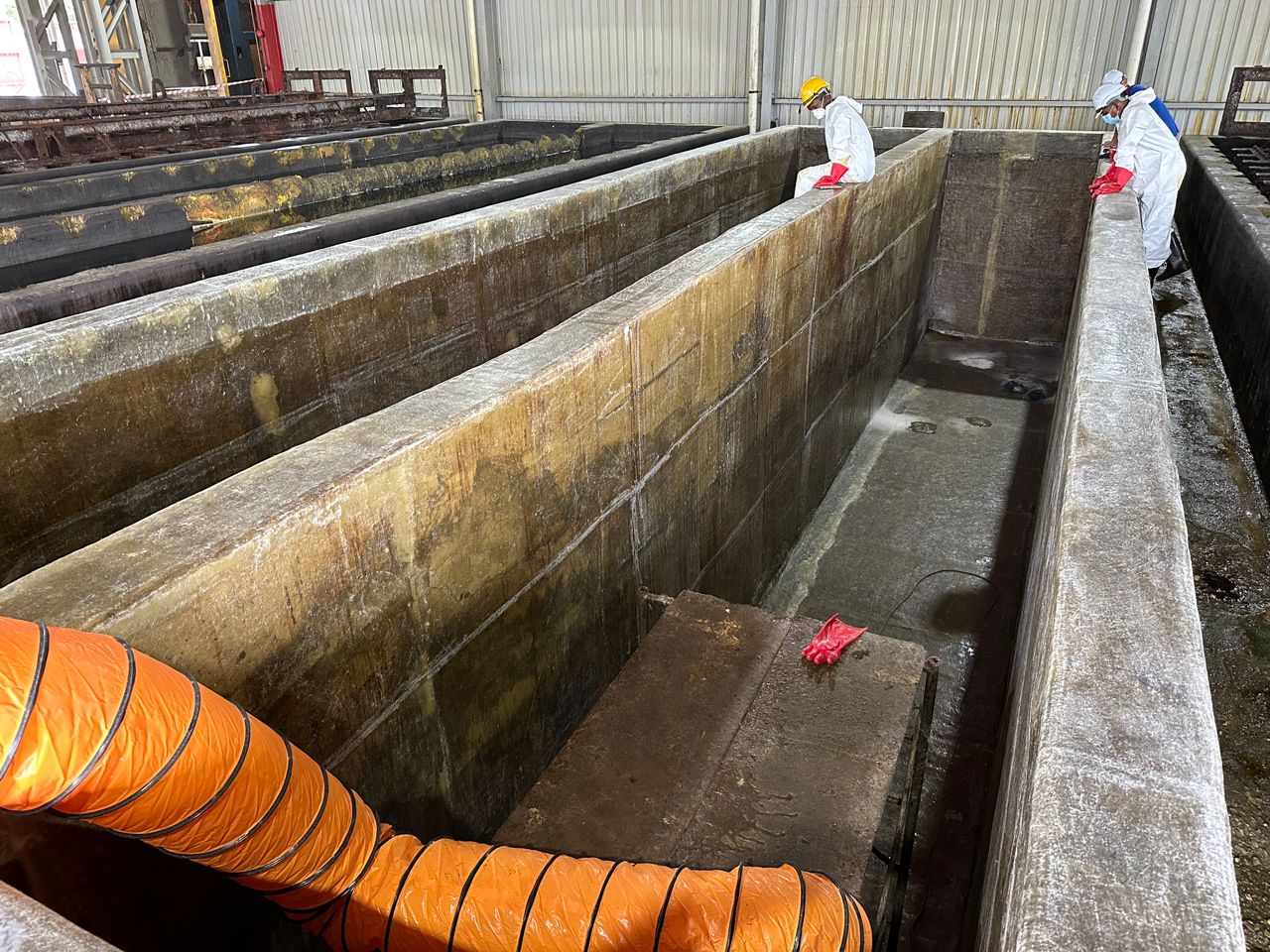
Our Recent FRP Lining & Fiberglass Coating Projects
Examples of our industrial lining work, including surface application and tank or containment projects.